


Table of Contents
- How Do You Keep Bread Fresh?
- Bread Bags vs. Bread Boxes: Which Is Better for Storage?
- Why Bakeries and Restaurants Lean Toward Bread Bags at Scale
- What to Look for in Bread Storage Bags
- Choosing the Right Fit for Your Business
- FAQs
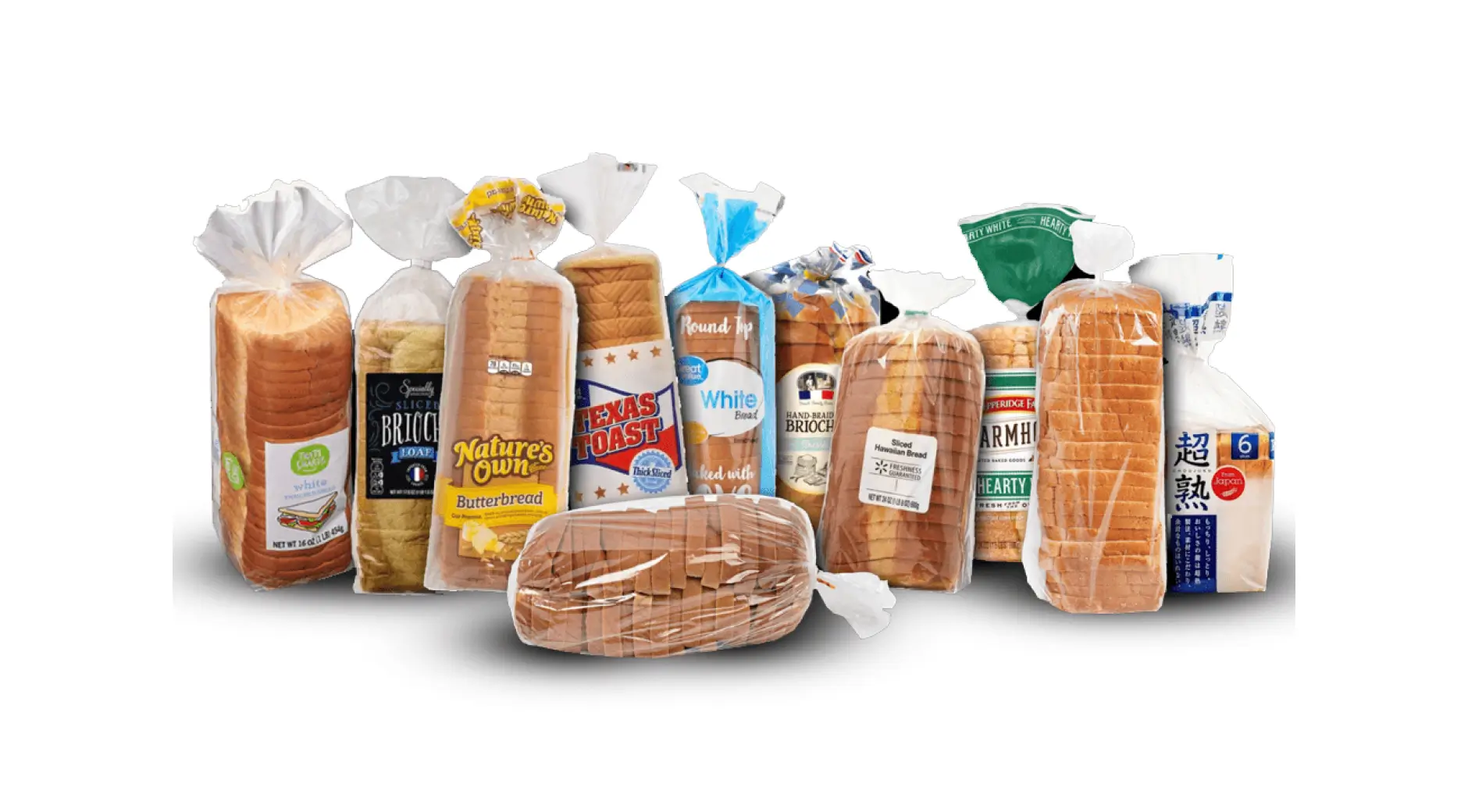
Stale bread on the shelf costs a bakery real money, in wasted product and in customers who don’t come back. The choice between bread bags and a bread box determines how long a loaf holds its texture, whether mold sets in early, and how the product looks sitting on a shelf or going out in a delivery order. This guide covers how to keep bread fresh with each storage method, when bread bags make more sense for a commercial kitchen than a box does, and what to look for once bags are the right call.
How Do You Keep Bread Fresh?
Bread staling and mold growth come down to two forces: moisture and air exposure. Too little airflow traps condensation, which feeds mold. Too much air exposure dries the crust and speeds up staling. The right packaging manages that balance instead of leaving it to chance, which is why bakeries rarely wrap bread in plain film or leave it fully exposed on a shelf. The two most common commercial solutions are bread bags and bread boxes, and they solve the moisture-versus-air problem in different ways.
Bread Bags vs. Bread Boxes: Which Is Better for Storage?
Bread Bags
Bread bags are lightweight poly or paper-laminate bags that seal or tie closed. For a bakery or restaurant, the case for bags comes down to a few things:
- Reusable and economical. Low per-unit cost makes bags practical at the volume a bakery moves through in a week, not just a single loaf at a time.
- Clear visibility. Customers see the product without opening the bag, which matters for retail shelf appeal.
- Custom printed. Bags can carry a bakery’s branding, ingredient list, and logo directly on the packaging.
The tradeoff: a poorly ventilated bag traps moisture, and mold can set in faster than it would in open air. The fix isn’t avoiding bags, it’s choosing the right material and ventilation, covered below.
Bread Boxes
Bread boxes protect against humidity, moisture, and pests, and they hold bread at room temperature without refrigeration. They also handle multiple loaves at once and come in a range of sizes.
The tradeoff for a commercial kitchen: Boxes take up counter or shelf space that a busy kitchen doesn’t always have, they don’t work well for bread with preservatives that behave differently in an enclosed space, and the upfront cost is higher than a case of bags.
For a bakery or restaurant moving product daily, bags typically win on cost and space. For a business displaying a smaller batch of specialty loaves, a box can serve as both storage and merchandising.
Why Bakeries and Restaurants Lean Toward Bread Bags at Scale
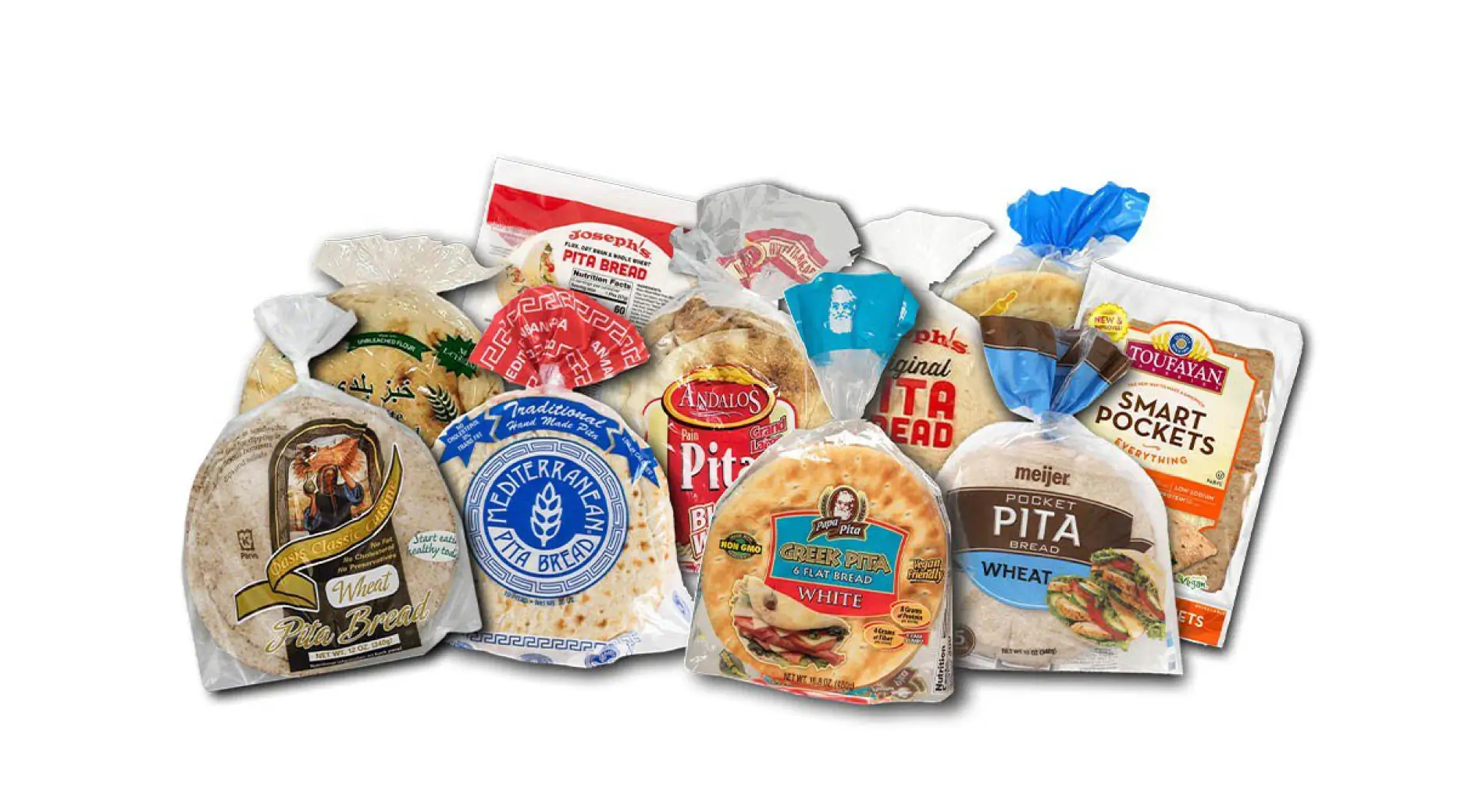
Cost per unit matters more at volume than it does for a single household loaf, and bags win that math by a wide margin over boxes bought one at a time. They also stack flat for storage and shipping, which a rigid box can’t do. For a bakery building a retail brand, custom-printed wholesale bakery bread bags turn the packaging itself into shelf marketing, something a plain box never does.
Sourcing bread bags for your bakery or restaurant? Get a quote now for custom sizes and print options sized to your daily output.
What to Look for in Bread Storage Bags
Not all of these bags are built the same. Before ordering in bulk, check:
- Material. Poly bags hold up to grease and moisture better; paper-laminate bags offer a more premium, breathable feel for artisan loaves.
- Ventilation. Micro-perforated bags let excess moisture escape without drying out the crust, which is the difference between a bag that causes mold and one that doesn’t.
- Closure type. Twist ties, self-adhesive strips, and wicketed openings each fit different packaging lines and turnover speeds.
- Print options. Flexographic printing lets a bakery put its branding directly on the bag rather than relying on a separate label.
Choosing the Right Fit for Your Business
There’s no universal answer between bread bags and bread boxes. A high-volume bakery moving loaves daily typically gets more value from bags: lower cost per unit, custom branding, and no counter space taken up in the back of house. A business displaying a small, rotating selection of specialty bread might get more mileage from a box as a merchandising piece. Most commercial kitchens land on bags for day-to-day packaging and reserve boxes, if at all, for front-of-house display.
Ready to switch to custom bread bags? Get a quote now and iSell Packaging will help you spec material, size, and print for your bakery’s volume.
Frequently Asked Questions
What’s the difference between bread bags and shrink wrap or film?
Bread bags are pre-formed and typically ventilated or micro-perforated, built specifically to manage moisture around baked goods. Shrink wrap and film seal tightly against the product with no airflow, which works for some baked goods but tends to trap condensation around bread and speed up mold growth.
Are poly bread bags recyclable?
Most polyethylene bread bags are recyclable through store drop-off programs for film plastics, though curbside recycling generally doesn’t accept them. Paper-laminate bags are typically recyclable with standard paper recycling where local facilities accept it. Check with your municipal program, since rules vary by region.
What size bread bag fits a baguette versus a standard sandwich loaf?
Baguettes need a long, narrow bag, often with an open or vented end since the shape doesn’t hold moisture the way a rounder loaf does. Standard sandwich loaves fit a shorter, wider bag with a full seal or twist tie. Boules and artisan rounds usually need a wider bag with more give around the shape. iSell Packaging can size and print bags to match your specific product line.
Is there a minimum order quantity for wholesale bread bags?
Minimums vary by size, material, and whether the order includes custom printing. Request a quote with your loaf dimensions and expected volume, and iSell Packaging will confirm pricing and minimums for your order.


