What Makes a Great Packaging?

what makes a great packaging
Image Sourse – ateriet.com

Learn here the key traits of a great packaging that looks stand out on the shelf.

Packaging plays a key role in marketing for any business that is involved in manufacturing and selling. In fact, it can make a difference in your sales and dramatically improves your brand image. After all, the packaging is the first thing a customer is attracted to. Great packaging always attracts attention and encourages the customer to buy the product. Plus, it makes your product stand out from the competitor’s product. 

What makes great packaging? Or what are the traits of an efficient packaging?

Here we have rounded up some key of them. 

The Design and Color:

The design and color of a package have a significant impact on the buying decision of a customer. Certain colors are attractive and evoke the feeling that a product wants in their customer. For example, some food companies use the color that triggers happiness and hunger in the customer. Health-conscious cereals have pastel to the white color palate and children’s cereal packages are more brightly colored. 

The key is here that good packaging carries the color and design that can attract the target audience of the product they contain.  

Labeling: 

Labels provide important information about the ingredients, instructions, manufacturing date, and certification. Besides, the language used on a food package also influences customers in a significant manner.

For example, a clear text that is also visible from the distant is appealing to the customers. 

Material Used:

A packaging made from high-quality material protects the product from weather and other wear and tear during storage and transportation. 

It even saves a product from harsh UV rays and other environmental factors that could harm a food product.

Most customers like the packaging made from eco-friendly materials with the minimum use of plastic. Secure packaging not only prevents costly returns but even enhance perceptions of quality in the eyes of the customers.

Transparency:

The food packaging should show accurate information about the content insides, whether it’s about ingredients or quality. For example, a customer would be disappointed to find a simple biscuit in the wrapper bearing the image of a Choco-drenched cookie. And it leads to poor sales performance and hurts your brand image. 

Besides, a customer should be able to figure out what’s inside in the first glace of your product. Exaggeration is okay as soon as it doesn’t affect the transparency of your product. 

Uniqueness:

By making your packaging looks unique, you give your product a competitive edge. Unique structures work to seize attention, especially when your competitors use standard boxes. Changing the size of your packaging can make a difference.

For example, a watermelon drink can be launched in the packaging shaped like a watermelon slice. Apart from structural changes, press effects and texture changes also make your product look unique. 

Functionality:

How functional your packaging is as important as its visual appeal. Simply put, the packaging should be easy to use for your target audience. The more functional the product, the more sales it will get. For example, the elderly product should come in the packaging that is easy to open as many seniors have pain or bone problems. 

So these are some key elements that make your packaging effective and stand out in the crowd. Attractiveness, uniqueness, and transparency are the rules you need to imply in your packaging to boost the sale of your product. What do you think? Let us know by commenting below. 

Glass vs. Plastic Container: Which is Better for Your Food Items

Glass vs Plastic Container
Img Source – www.PureWaterSydney.com.au

Choosing between glass and plastic containers is often confusing when it comes to store your food items. Here we have given a comparison helping you choose the right container.

Plastic or glass container? You may have come across this dilemma while choosing the container for food storage and meal prep. Both have their pros and cons. You like to choose the container which is best for both food and environment.

This is why you must weigh down both options to get the right one for you needs.

Plastic Containers:

Whether its bottle, bucket or jar, plastic containers are present in every kitchen across the world. Plastic containers are lightweight, easily portable and won’t damage if dropped. And good thing is that they are cheaper.

However, plastic can be your health threat as it seep out harmful chemicals to the food it stores. Besides, plastic waste is dangerous for environment.

Therefore, you must choose the plastic containers carefully. Plastics are categorized into seven codes, from 1 through 7. You can find these codes at the bottom of all plastic containers. These seven codes are given below….

Code 1: 

Polyethylene terephthalate ethylene is used to make containers to store juice, soft drink, butter and water.

Code 2: 

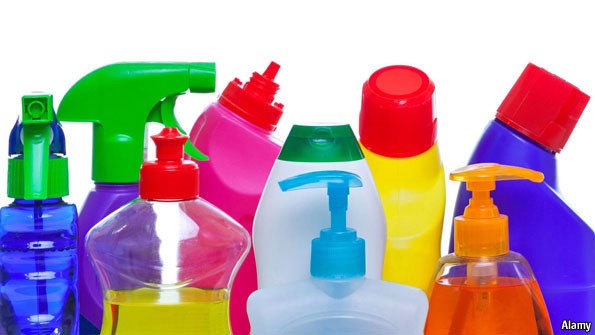
High-density polyethylene, which is used in manufacturing of shampoo and detergent containers

Category 3: 

Polyvinyl chloride is used to package peanut butter and cooking oil and also detergent and window cleaner.

Category 4: 

Low-density polyethylene is found in grocery store bags, most plastic wraps and some bottles.

Category 5: 

Polypropylene is used in straws and other clouded plastic containers as well as yogurt and syrup containers.

Category 6:

 Polystyrene you will find in egg cartons, Styrofoam food trays, disposable cups and bowls and carryout containers.

Category 7: 

Usually polycarbonate is found most often in baby bottles, sports water bottles, some plastic cutlery and some name-brand food storage containers.

The safest plastic containers to store your foods are those coded with 1,2,4 and 5. Make sure to choose BPA free plastic containers.

Glass Containers:

Besides being attractive, glass containers are safe choice for food storage. Unlike plastic, they don’t leach harmful toxins when in contact with food. These containers can be safely used for hot liquids and foods. They can be used again and again as they don’t risk environmental and personal health. Glass containers can be washed and sterilized. Their transparency makes it easy to identify and manage food storage.

However, glass containers have their downsides too. They are delicate, requiring you to handle them with care. Plus, glass containers are expensive. But these risks are often outweighed by the benefits of these containers.

Which One You Choose?

Well, it is clear that both are the suitable containers for your kitchen. Plastic containers are safe as long as you follow precautions and avoid storing extreme food or liquid. Plastic food containers are ideal for storing cold food.

On the other hands, you have to be extra careful with glass containers as they are fragile and prone to breakage. 

Safe Plastic Food Containers: Concerns and Solutions

Safety Concerns with Plastic Food Containers
Image Souce : amazon.com

Plastic is a widely used material for packaging and storing food. This is because plastic containers are convenient, lightweight and economical. Even in your kitchen, there are lots of plastic containers and plastic packages. Therefore, plastic has become an essential part of your daily life.

But have you ever thought the very same plastic can be harmful to your health?

Yes, it is true that certain types of plastics like polycarbonate and PVC are not safe to use as they contain many tiny molecules that can transfer into the food it’s in contact with. Besides, the plastic itself can break down, causing the release of the monomer or other chemicals. In this way, your food items are prone to the contamination caused by plastics.

What are The Risks of Plastic Usage?

  • Plastics release several types of phthalates like BPA which are endocrine disruptors as they imitate the body’s natural hormones and cause a lot of health problems. The United States Department of Health Human Services warns that children and infants are prone to this type of chemical.
  • Some plastic food containers are not easy to clean or have grooved or lipped surfaces that accumulate bacteria. The bacteria may contaminate the food itself and make you vulnerable to gastrointestinal distress or food poisoning. So, you must use the containers that are open, wide and easy to clean.
  • Besides inviting health hazards, plastic poses a great threat to the environment. The throwing away of plastic can contaminate the environment and build-up in landfills.
  • Plastic can leak various types of harmful chemicals into food contents on being heated, such as storing boiling water or preheating in the oven.

How to Deal with the Dangers of Plastic While Storing Food?

Be Careful While Washing Plastic:

In dishwashers, extremely hot water and steam are used to wash the dishes thoroughly. Have you ever thought the same heat and water can break down the plastic molecules?  Just like microwaving, heating plastic releases hazardous chemicals. So, you must wash your plastic cutlery by hand in lukewarm water.

Use Glass Containers:

Make a gradual shift to glass containers rather than sudden kitchen transformation and throw all plastic away. Choose glass containers with plastic lids, which are free from BPA and PVC.

Don’t reheat food in plastic containers:

Even with safe-labeled plastic containers, the heating can make the container to release the chemicals. These chemicals can seep into the food it’s in contact with.

Never Use Plastic Film to Wrap Heat Food:

Use plastic cling to wrap cold foods and salads. If you use them for a heated dish, the plastic may leave the chemicals to the food in its contact. Instead, you can use an aluminum wrap for the heated food.

Limit the Use of Water Bottles:

Even your plastic water bottles are not safe—it maybe your gym bottle or the commercialized mineral water bottle. They have small levels of BPA which are activated in heat and extreme cold temperatures. Therefore, you must not freeze a plastic bottle or use a bottle that has been kept in the scorching heat.

Choosing Label Colors: Psychology and Tips

Choosing the Colors for Label

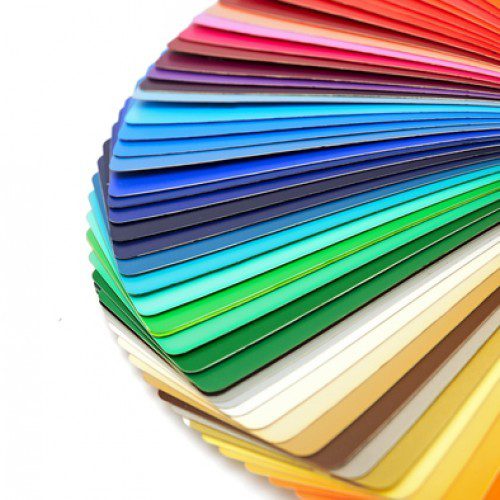
Image Source : Cut Sheet Labels

he right selection and use of the colors will add to the aesthetic and relevancy of your product. Imagine a retail product without a label. 

It would be a guess-game to determine what that container contains. 

Product labels tell customers about the product. This is why creating the right product label is a lot of responsibility. It makes all the difference to the success of an inventory, given how shoppers make their decisions about which products to buy in-store. 

Color is one of the important factors to keep in mind while creating your product label. Colors can convey a message by influencing consumer’s emotions through a beautiful label. What do you think when you see the fire engine red of Coca Cola? Or how do you react when you notice the red-yellow logo of Burger King? While the vibrant red of Coke makes you feel happy and excited, the red-yellow of Burger King may stimulate your appetite. This is what experts called the emotional impact of the colors. 

Therefore, you should be careful while choosing the color of your product label. And this brief guide will help you in this context. 

Choose Positive Colors:

Colors trigger different psychological responses. Therefore, choose the color that is relevant to your brand. Here are some appealing colors along with their emotional impact. 

  • Green represents the environment and nature. It promotes relaxation and tranquility. The color is said to minimize blood pressure. You can consider green for your herbal or eco-friendly products. 
  • White symbolizes cleanliness, purity, and relaxation. It makes people feel secure. 
  • Black stands for wisdom, stability, and luxury. 
  • Blue is the color of serenity and happiness. It represents trust and reliability. 
  • Orange stands for hunger, adventure, and vitality. Self-confidence is also associated with this color. 

Create Contrast with Legible Color Combination:

You need to choose another color to create contrast with your primary color. For example, you have chosen a green that should be combined with the contrastive color.

The key to successful pairing text and the background color is the contrast between lightness and darkness and vice versa. The more contrast you have, the more legible your text look. It also reduces eye-strain and makes your design look more pleasing. 

You can use the color wheel to determining the best pair of colors. For example, you can choose a dark color from the bottom half of the when with a light one from the top. 

Some successful pairings of the colors are…

  • Black on Yellow
  • Blue on White (vice versa)
  • Green on White (vice versa)
  • Red on White (vice versa)

Or it is better if you use an online tool to determine the right color combination. 

Get Creative with Labels:

You can try various shades and materials for your labels.

For example, metallic labels are shiny and eye-catching. The silver and gold metallic labels minimize represent quality, making them the right option for your luxury product. Silver label symbolizes glamour and sophistication. Gold is the ultimate symbol of sophistication.

Fluorescent colors or neon are great for getting attention. If you want to create a happy and positive personality of your brand, these are your go-to colors. 

What about those clear or transparent labels? They are a great way to facilitate openness and transparency while letting the appearance of your products do the talking. 

So these are some points while choosing the colors for your label. However, it’s up to you to decide the look and feel of your brand. It is not required to be guided by traditional norms. Whatever you choose, make sure your product’s label looks appealing, visible, readable and relevant to the customers. 

Top 4 Innovative Packaging Ideas

Innovative packaging ideas
IMG Source: Orange Creative

Here’s how you can get creative with your packaging to make your products look stand out.

Over the years, more and more businesses have invested in creative packaging. As the name suggests, creative packaging is any packaging design that helps the product look attractive and get noticed. Creative packaging also involves cost-effective and eco-friendly options.

Apart from looking attractive, these packaging forms are functional.

For example, some French fries wrappers come with a small pouch in the front for ketchup. The packaging part of some pizza boxes separates with the slice to help you avoid greasy and burnt fingers. A lid of some butter boxes can be used as a spoon.

Innovation in packaging will make your product stand out from the rest. It will help build your brand as well as provide some personality to your products. After all, the products are initially judged by your packaging.

So, how do you create creative packaging?

For your help, here we have rounded up some creative packaging ideas that will bring some innovations for your products.

Add Something to Your Packaging:

This is a great solution to make your standard packaging stand out from the crowd. The best example is a line of pasta sauces by Amy’s Kitchen. The sauce comes in a standard size jar with standard color labels. What makes them look unique is the paper and gold bow over the lid of the jar. It looks as if your grandmother has packed it.

Think about Handmade Look:

Customers are attracted to packaging that feels personalized. And the handmade packaging is close to this notion. This is because they look different than their machine-made counterparts. They offer much higher quality as well as details. Another reason that makes them favorite among customers is that they are eco-friendly and consume less energy. Handmade packaging goes well with botanical or natural products.

Add a Fun Element:

Adding fun to your packaging won’t seem odd. After all, they are attractive to all age groups other than kids. The bright colors and unusual shapes also work in products for adults, although it requires a more subtle approach.

Take a cue from the wine industry and look at how their labels feature animals in a fun way. You can get quirky, creative, funny and artistic with your packaging. Make sure that the color or style you choose can resonate with your brand.

Consider Your Target Audience:

Getting creative with your packaging doesn’t mean to forget about your target buyers. Make sure your packaging remains functional and attractive to your demographic. For example, a range of Axe’s grooming product aims at young men aged between 18 and 35. So their packaging is built to this specific audience. For example, Axe Shower Gel’s comes in a rugged black plastic container. It looks as if the container contains motor oil. What to say about Tiffany’s robin’s egg blue box?

Bottom Line:

So these are some innovative packaging ideas that can attract the customers towards your products, thereby boosting the sale. Keep in mind that your packaging not only contains your product but also delivers a final marketing message to the buyers. Again, make sure your packaging goes well with your products as well as your target audience.

Take one or two of these ideas and think you can incorporate them with your products.

What do you think? Please let us know by commenting below.

How Colors Impact Your Food Packaging

How Colors Impact Your Food Packaging
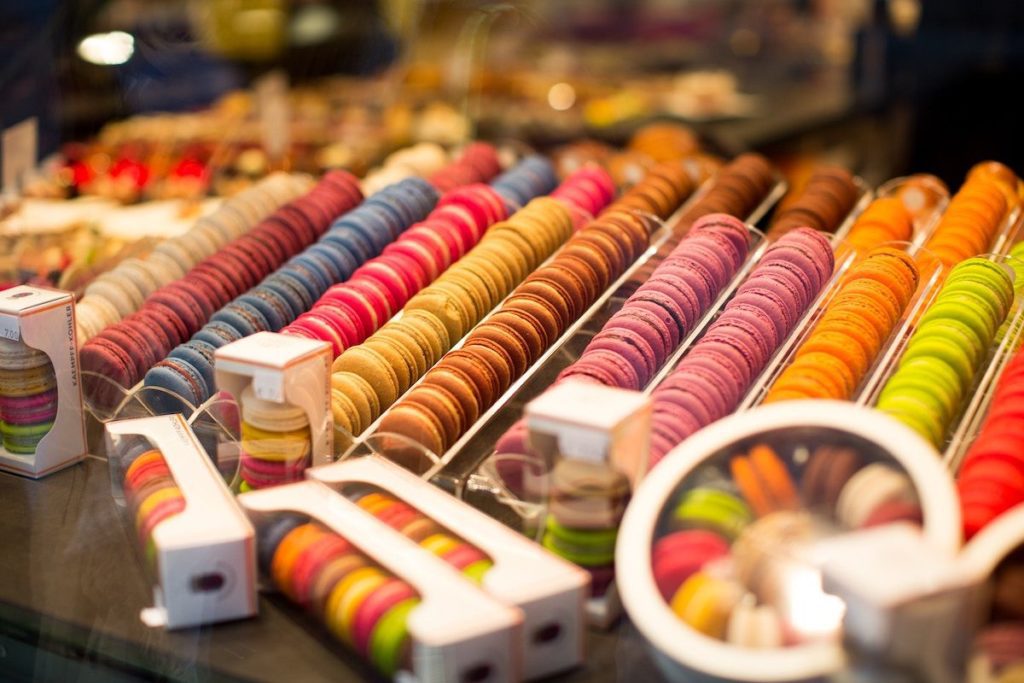
Img Source colorpsychology

Learn here how colors make your products look like to the customers.

Some colors make us feel relaxed and clam. Some colors unleash positivity. And certain colors have been associated with increased metabolism, eyestrain and blood pressure.

The point is here that color impacts our mood and feelings.

No wonder why they are a vital part of marketing for decades. Using them strategically can make your products look appealing to the customers. Given that packaging is the most tangible representation of a product, introducing them in the right colors can make or break the sale.

According to one report, 60-90% of consumers judge the products on the base of the color. This is because color appeals quicker than text and graphics. Over 80% of customers admitted that color is a key factor when buying a product.

Color schemes eventually become a brand identity and are consistently maintained. For example, red with a white swirl makes us think about Coca Cola. The color purple is associated with the Cadbury brand.

Why You Should Be Careful with Careful Scheme of Your Packaging

Colors stand for emotions and feelings.

Therefore, be careful while choosing a color scheme for your target audience. For example, bright colors are appealing to children while softer shades are great for older consumers. Colors like green or blue represent eco-friendly and health.

Here we have outlined some colors and their impact on the mind.

 Red:

Red is a powerful color that stimulates and excites. It can raise the nerve impulses as well as increase the heart rate. This color enhances the appetite and stimulates a physical response. No wonder why it is a popular choice in food marketing and found on the many food product packaging. Red is associated with the images of ripe or sweet things like candy, tomatoes, and strawberries.  

Yellow:

Yellow is quickly processed by the brain, making it a good one for grabbing attention. It is also an appetite stimulant and stands for happiness, optimism, and vibrancy. When you look at the color yellow, the brain releases a feel-good chemical known as Serotonin according to some studies. Using red and yellow together not only makes people feel good about your products but also triggers their appetite. Look at the logos of Burger King, McDonald’s, Pizza Hut and KFC and you will understand this thing better.

 Orange:

Orange is a combination of red and yellow. It generates similar effects and has established itself as an appetizing color. It promotes senses and emotions which can trigger impulse buying, making it a great choice for takeaway foods and snacks. Orange also represents citrus flavor like in Fanta.  

Blue:

Blue is not an appetizing color. However, it stands for honesty and truth. The color is associated with water and freshness; therefore, it can be used for products like bottled water, seafood, and milk.  

Green:

Green is also a popular packaging color. It is mainly associated with healthy, natural, organic, vegetarian and fresh. The color is also the symbol of well-being and health. The color is a choice of many organic and herbal products.  

White:

White stands for purity and simplicity. People think that the product doesn’t contain many ingredients when used in packaging. It is generally used for white color products such as yogurt, cream, milk, and cheese.  

Black:

Black is the least used color in food packaging. However, food experts are experimenting with this color to see some positive outcomes. Black is the color of luxury and can be used to give your products an air of sophistication. Brands who are seeing benefits with black are Jack Daniels and Monster Energy.

So you must have understood how colors can impact your food packaging. What do you think? Please let us know by commenting below. 


What makes pouch packaging truly sustainable

image pouch


Here are the reasons that make pouch packaging truly sustainable and eco-friendly.


The pouch packaging market is on the rise—,, especially within the food sector. According to one report, global pouch packaging consumption is growing at an annual rate of 4.7 percent to touch 407 billion units by 2021.

Stand up pouch bag is a type of flexible packaging. Prepared from several layers of plastic, aluminum and other materials, these pouches are durable enough to protect the products from several hazards occurring during transport and storage.

For the manufacturers, they help save on transportation costs as pouches are far lighter than bottles and jars. This maximizes the space for shipping more products in one go. Their compelling design and unique appearance attract buyers, thereby helping retailers maximize the sale. As far as the consumers are concerned, pouch packaging is lightweight, portable, unbreakable and convenient to use.

Their astounding growth over the years can be attributed to the fact that they are lightweight and convenient compared to metal cans and glass containers. Pouch packaging also reduces food waste as they offer a single-service portion and is available in re-closable zippers or seals. The packaging is recyclable as well as fits the parameters of sustainability.

Here we will walk through the factors making pouch packaging truly sustainable.

They are Reusable:

Pouch packaging is recyclable. They can be used for storing once they are emptied. Since they are airtight and come with barriers, they are ideal for storing coffee, tea, and spices.

They are Lightweight:

Pouch packaging is nearly 80% lighter than other types of packaging. For example, they are just one-fifth of a comparable PET bottle. The manufacturing of pouches requires less material than other types, making them lightweight. Their lighter weight and compact size minimize fuel emissions during transportation.

Their Manufacturing Requires Less Resources:

Their manufacturing involves up to 12 percent less material than most other packaging bags. It is also translated into less fuel consumption and less waste.

They Reduce Food and Packaging Waste:

Generally, they are made from high-grade materials, extending the shelf life of many products. Longer shelf life is translated into a reduction of food waste.

Bottom line:

Stand up pouches are an eco-friendly option for the environment. They require fewer materials, less energy, and water to make, leaving fewer carbon footprints than most packaging. These reasons make pouch packaging truly sustainable. What do you think? Let us know by commenting below.


Packaging Tips for Temperature Controlled Shipping

packaging tips for Temperature Controlled Shipping
IMG Source – packaging innovation

Learn here how to ship your temperature-sensitive goods without affecting their quality and efficiency from A to B.It is challenging to ship temperature-sensitive items. They should be kept at the right temperature through transit. Extreme temperature can alter the quality of the deliverables, whether you are shipping food or pharmaceuticals.

For example, flowers can get droopy if they face an extremely hot environment while freezing temperatures can discolor and shorten their life as well. Even a minor as 2 degrees Celsius can affect the quality or efficiency of the pharmaceutical or medical goods.

Therefore, it is important to ship them in a temperature-controlled environment. And these steps will help you in this context.

Choose the Right Packaging:

First of all, make sure to get your packaging right. Luckily, many packaging comes with insulation properties to maintain the temperature you require. Some of them are…

Foil Bubble Bags and Lined Boxes:

This type of packaging is right when your products need to be kept below 5°C. For added control, foil-lined bags can be lined with gel packs or cool packs.

Polystyrene Boxes:

This type of packaging is ideal for the products to be kept frozen below -18°C for 24 hours. They work best when lined with dry ice, gel packs or cool packs.

Insulated Carry Bags:

Insulated carrier bags are used for chilled goods like wine or food and let your customers take them home before they warm up.

Choose Your Carrier Carefully:

Work with a carrier that is experienced in the shipping of the goods you have. No matter how efficient packaging you choose, the last thing to worry about the ill-handling of the carrier.

Minimize the risk by picking up a carrier that has vast experience and expertise as well to handle temperature-sensitive commodities. It is better if your logistics partner has access to temperature-regulated facilities to keep your consignment in the required temperature.

Make sure to choose a fast shipping option for perishable goods like food and flowers. They should be shipped early in the week to avoid delays or stays.

Get Educated on the Rules and Regulations:

FDA and DEA have imposed several restrictions on temperature-controlled medical goods like medicines, biological substances, and specimens. Your chemical shipments may be subjected to federal hazardous materials regulations.

Dry ice also calls for attention, as it’s a dangerous substance. In the USA, non-medical shipments that include more than 2.5 kg or 5.5 pounds of dry ice must follow the regulations set by the Code of Federal Regulations and International Air Transportation Association, depending on the mode of shipment. The point is here that you should learn about the guidelines applied to the temperature-controlled goods as well as their shipping methods.

Assess the Temperature of Goods Throughout Transportation:

Keep a temperature monitoring device within your healthcare shipment to verify that it can get within the required temperature range throughout transit and storage.

A high tech monitoring device lets you track the condition of your goods around the clock. Plus, it notifies you if the temperature is interrupted or fluctuated. You can also ask your logistics company to provide temperature monitoring during shipment.

So you must have understood how to ship your goods at the right temperature. It takes you to choose the right packaging, experienced logistics company, and right packaging. What do you think? Please let us know by commenting below.

PET vs. Polyolefin vs. Polyethylene: Which Packaging Is Right for You?

PET vs. Polyolefin vs. Polyethylene
IMG Source -zmrmarketresearch

This comparison among PET, Polyethylene, and Polyolefin will make it easier for you to choose the right plastic packaging for your products.

If you are exploring our online catalog of packaging products and aren’t able to decide the right plastic container for your requirements, keep in mind that not all plastics are the same.

Don’t worry! Here you will find the differences between the three key types of plastic packaging products—PET, Polyethylene, and Polyolefin.

This comparison will make it easier for you to choose the right plastic packaging for your products. Let’s start it!

PET:

PET or Polyethylene Terephthalate is a durable, lightweight and shatter-resistant plastic used in many packaging.

It is recognized for its ability to take colorants efficiently as well as making the inside products transparent to the consumers.

PET creates a strong barrier against gases, oils, water vapor, dilute acids, chemicals, and UV rays. No wonder why it is a great packaging for water, electronics, foods and more. It is popular packaging for sodas, water, juices, salad dressings, cooking oil, shampoo, mouthwash, and pharmaceuticals. PET is made from ethylene glycol and terephthalic acid.

It is easy to identify PET bottles as they typically molded on the bottom with the number 1 encircled by triangular arrows symbols while the PET or PETE is placed below the triangle.

PET bottles are great for repeated use.

Contrary to the popular myth, refilling or reusing a PET bottle DOESN’T make a PET bottle to degrade or release harmful elements.


It is a stable, inert material that doesn’t biologically or chemically degrade with use.

PET containers have been approved as safe for foods and drinks by Health Canada, the FDA, and the EFSA. PET bottles are used by consumers around the world for over 30 years without any unpleasant effect.

However, PET bottles require careful cleaning. Make sure to wash them with soap and hot water. Dry them to make sure it is free of any moisture that might boost bacterial growth.

Avoid using the bottles with scratches inside as they can be harbored with bacteria.

PVC:

PVC or Polyvinyl Chloride is one of the most used plastics and shares some similarities with PET plastic. It withstands high impact and extreme temperature.

However, it is less eco-friendly as it is made of several additives. Besides, it has an average level of durability as it doesn’t offer protection against outside elements. For example, it doesn’t protect against UV rays as PET does.

Polyolefin:

The term Polyolefins is used for the kinds of plastics that include polyethylene in all densities (low high and medium). The word polyolefin means “oil-like”. It is obtained from the oily or waxy texture of plastics types that contain polyethylene. There are four types of Polyolefins given below:

  • LDPE or Low-Density Polyethylene is defined by a range (density) of 0.910-0.940 g/cm3. It withstands room temperature, although it can be reactive to oxidizing agents or some solvents. It is flexible and tough. It is used in carrier bags, milk carton coatings, and heavy-duty industrial bags.


  • LLDPE or Liner Low-Density Polyethylene is a substantially linear. It is known for higher tensile strength and great resistance than LDPE. It is flexible. LLDPE is used in making a stretch film, industrial packaging film, and bags.


  • HDPE has large “strength to density” ratio that can range from 0.93 to 0.97 g/cm3 or 970 kg/m3. It is tough and more opaque. HDPE is used in crates and boxes.


  • Polypropylene of PP has a density between 0.895 to 0.92 g/cm It is the most durable and higher thermal resistance abilities. It is an ideal food packaging for yogurt, sweets, and snacks.


Bottom Line:

So you must have understood the differences between PET, Polyolefin, and Polyethylene. Keep in mind that each packaging has its own pros and cons, although some may have more pros than cons or vice versa.

This comparison will also help you choose the right packaging for your product. What do you think? Please let us know by commenting below.

A Curious Person’s Guide to Tamper Evident Packaging

tamper Evident Packaging
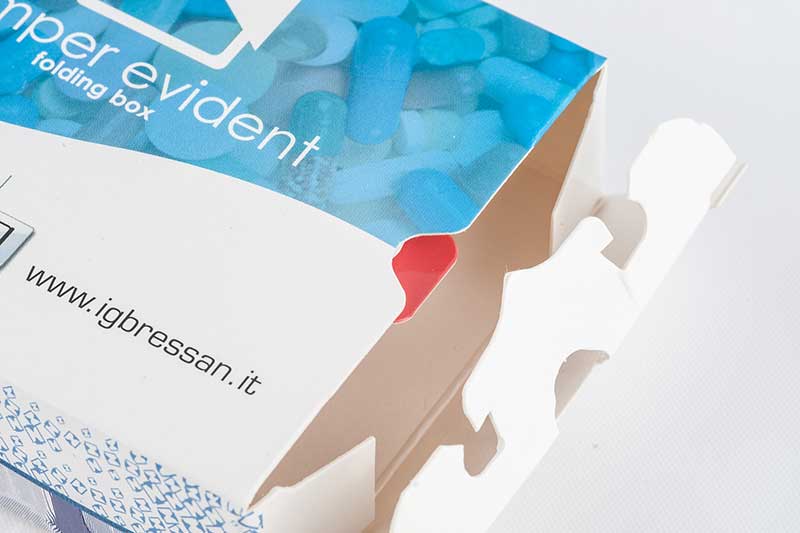
Img Source –  igbressan.it

Learn here everything you wanted to know about tamper-evident packaging.

Tamper-evident packaging or TEP offers many advantages to industries, the most important being security.

However, it is important to understand what TEP is, what its advantages to your brand are and how it is different from tamper-resistant packaging or TRP. With this packaging, it is critical to ponder over the needs of the customer.

Here we have broken down everything you wanted to know about tamper-evident packaging.

What is Tamper Evident Packaging?

Contrary to popular belief, tamper-evident packaging is not a tamper resistance packaging. Tamper evident packaging is superior and more secure packaging for food and pharmaceuticals than tamper resistance packaging.

A TEP is something that can’t be removed and reapplied without leaving visual evidence. For example, a shrink band is often placed around the product packaging which covers the seal between the container and the lid. This band can’t be reapplied or removed. One has to cut or tear it to open the seal. If anyone attempts to do so, the evidence of tampering becomes evident.

This packaging offers deterrence to tampering.

Types of Tamper Evident Packaging 

Blister Packs:

They are used for OTC medications often sold in foil blister packs. If the product has been tampered with, the broken foil is evident.  

Shrink Bands:

It is a plastic wrapping used to seal containers with a lid or cap-like beverage bottles, sauce jars and ice-cream containers.  

Shrink Seals:

They are used for pasta sauce and other products in jars. It is applied to the jars and produces pop sound when opened. It is not likely to make this sound if the container is tampered with before.  

Heat Induction Seals:

They are airtight seals applied under jar lids of containers like butter jars and protein powder tubs  

Breakable Rings:

 They are associated with the lid and breaks to release the cap when you twist the top.

Other types of tamper-evident packaging are individual wrapping, sealed metal cans, and security tape.

What are the Benefits of Tamper Evident Packaging?

The advantages of tamper-evident packaging are clear. They protect products from jostling open during shipping, or during handling. Besides, they help you deal with counterfeiting and identifying it as well. With tamper-evident packaging, you make sure that your products are being delivered to consumers intact, indicative and fresh. Here’s how …

Reducing the Risk of Damaged Products:

Transportation and handling can be rough—they can drop out of a crate or hand. TEP helps contain the goods and prevent the accidental opening of a package, which in turn prevents waste of product and money as well.

 Increasing Safety:

TEP ensures the safety of the products to the consumers. They can see if the products have been opened before. They can find out that the product has been opened if they find broken or damaged tamper-evident packaging.  

Promotes Customer Loyalty:

You can win over your consumer’s heart if you take care of the security of your products. Properly packaged and sealed products encourage them to buy from you, thereby building loyalty among them.

So you must have known everything about Tamper Evident Packaging. What do you think? Please let us know by commenting below!